
rapid gonorrhea test
The Limulus amoebocyte lysate (LAL) assay was used to judge 115 females who had been named as sexual contacts by males with culture-proven gonorrhea.
These sufferers had been handled for gonorrhea earlier than laboratory affirmation, as advisable by the Centers for Disease Control, due to the dearth of rapid screening checks and the intense rapid gonorrhea test penalties of undetected an infection. For the LAL assay, endocervical samples had been collected with depyrogenated cotton-tipped swabs, and the swabs had been positioned in 10 ml of diluent to assay for endotoxin; the unfavorable predictive worth of the LAL assay at this dilution was 100%.
Incubation was carried out at 37 levels C for 30 min; optimistic or unfavorable outcomes had been indicated by gelation or lack rapid gonorrhea test of gelation, respectively. Lysate sensitivity was 0.three ng/ml, with an Escherichia coli endotoxin commonplace.
Single endocervical cultures and the LAL assay had been each optimistic in 71 sufferers, however the Gram stain was optimistic in solely 36 (50.7%) of those instances.
For the 44 culture-negative instances, the LAL assay was unfavorable in 21 (47.7%). Thus, the LAL assay was in a position to selectively rapid gonorrhea test exclude roughly half of the culture-negative gonorrhea contacts and would have spared these sufferers inappropriate remedy and get in touch with tracing, with out excluding rapid gonorrhea test culture-positive gonorrhea instances.
Evaluation of rapid diagnostic checks: chlamydia and gonorrhoea
Tests for Chlamydia trachomatis and Neisseria gonorrhoeae, which might present outcomes quickly to information therapeutic decision-making, provide affected person care benefits over laboratory-based checks that require a number of days to offer outcomes.
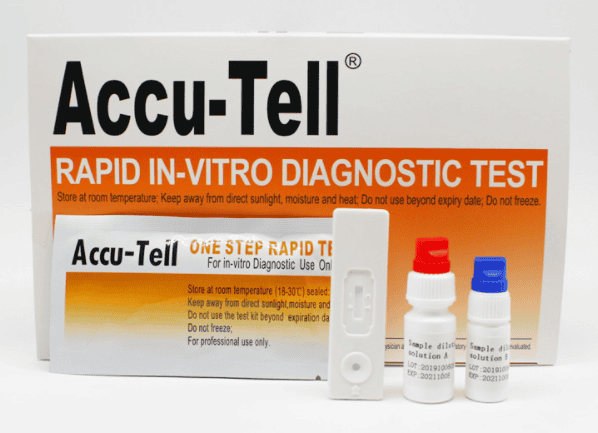
We in contrast outcomes from the Cepheid GeneXpert CT/NG (Xpert) assay to outcomes from two at the moment accepted nucleic acid amplification assays in 1,722 feminine and 1,387 male volunteers.
Results for chlamydia in females demonstrated sensitivities for endocervical, vaginal, and rapid gonorrhea test urine samples of 97.4%, 98.7%, and 97.6%, respectively, and for urine samples from males, a sensitivity of 97.5%, with all specificity estimates being ≥ 99.4%.
Results for gonorrhea in females demonstrated sensitivities for endocervical, vaginal, and urine samples rapid gonorrhea test of 100.0%, 100.0%, and 95.6%, respectively, and for urine samples from males, a sensitivity of 98.0%, with all estimates of specificity being ≥ 99.8%.
These outcomes point out that this short-turnaround-time test can be utilized to precisely test sufferers and to presumably achieve this on the website of care, thus probably bettering chlamydia and gonorrhea management efforts.